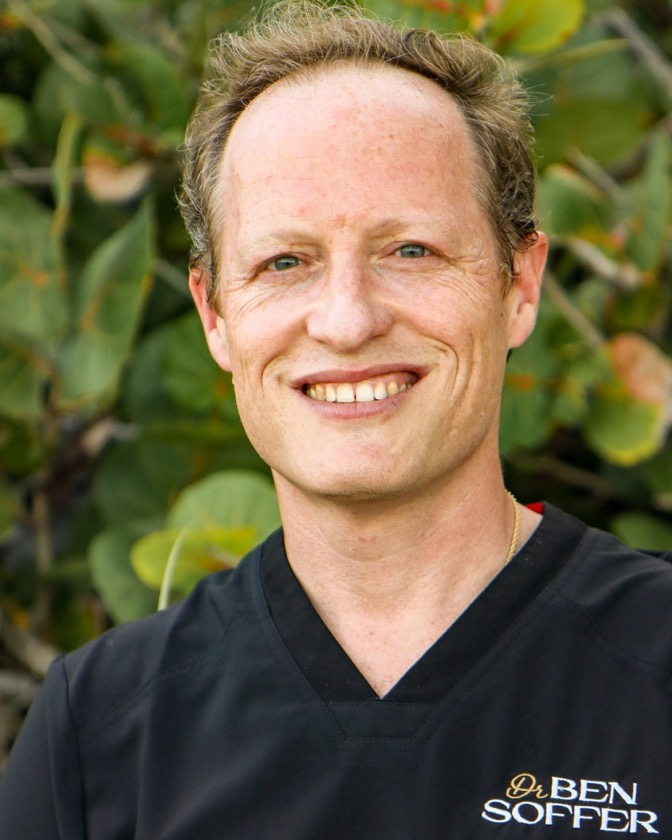
Do celebrities have private doctors? Yes. The model has a name: concierge medicine. What was once reserved for A-list entertainers, heads of state, and Fortune 500 executives is now available to anyone willing to pay for the access directly. The reasons high-profile patients choose concierge care are practical, not luxurious, and they apply to anyone whose life makes traditional primary care a bad fit.
Privacy
In traditional healthcare settings, privacy is protected by law and porous in practice. Your name appears in a waiting room. Other patients hear your conversations. Staff turnover is high. Medical records move through large systems with many access points.
For patients whose name recognition is a real factor, that level of exposure isn't workable. The details of their health are genuinely sensitive and need to be handled the way every other part of their professional life is.
In a concierge practice, the structure creates privacy. Appointments are scheduled with no overlap. A small practice means a small administrative footprint and fewer people with system access. Sensitive conversations happen directly with the physician, not through call centers or patient portals with multiple staff logins. For patients who don't want to be at a clinic at all, home and office visits are standard.
Access that matches an unpredictable schedule
High-profile patients and busy executives share a reality: their schedule isn't their own. They travel constantly, work at unconventional hours, and can't plan medical needs around standard office hours.
Traditional healthcare doesn't accommodate this. Urgent care is impersonal. ERs are expensive and slow, staffed by people who don't know you. Getting a primary care doctor on the phone is often impossible.
Concierge medicine solves the access problem structurally. In my practice:
You have my cell phone. Call or text any hour, from Miami, New York, or abroad, and you reach me. Not a service, not a script.
When you travel, I'm reachable. If something comes up, I can advise remotely and coordinate with local providers when it's appropriate.
Virtual visits work because they happen with a physician who already knows your history. Medication questions, minor acute issues, results reviews, and symptom triage are all straightforward over video or phone.
A physician who actually knows you
In a traditional primary care practice with 2,000 or more patients, no physician can realistically know any individual patient's history, lifestyle, and risk factors in depth. Visits are brief and transactional. The person across the desk may or may not remember your name between appointments.
In a practice with a small panel, the relationship is different. I know your medical history, your family history, your lifestyle, and what you're worried about. I remember what we discussed last time. I anticipate what's coming rather than only reacting when you're in crisis. That depth isn't a luxury; it's what lets a physician practice the kind of medicine they trained to practice.
For high-performance patients, health is infrastructure. Preventable conditions that aren't caught early derail careers. The ability to have a trusted physician who can be a genuine partner, rather than a stranger each visit, is the actual value proposition.
Prevention that goes deeper than the standard panel
For patients whose livelihood depends on staying well, preventive medicine matters more than acute care. Concierge practices have the time to do it properly.
In my practice, annual evaluations are 60 to 90 minutes and go well past the standard lipid panel and A1C. Detailed cardiovascular risk workup including particle-size analysis and coronary calcium when indicated, cancer screening calibrated to personal and family risk, hormonal health, cognitive performance baseline, structured lifestyle conversation. Monitoring biomarkers over time so trends get caught early. Fast response to new symptoms because you can actually reach the physician.
Why South Florida
Palm Beach County has a high concentration of high-profile residents: retired executives, entertainment industry professionals, public figures, and prominent families. My practice is based in Boca Raton and the patient population reflects the area. The expectations for discretion and responsiveness here are real, and the practice is structured around them.
What this looks like day to day
Beyond the abstract description, here's what concierge care actually looks like for a high-profile patient in my practice:
You have a direct line to me. When something comes up, a new symptom, a medication question, a concern about a lab result, you text or call and you hear back quickly.
Your annual visit is a 90-minute conversation, not a checklist. Full physical exam, comprehensive labs, lifestyle review, risk calibration, and a plan.
When you need a specialist, I handle the referral directly. I explain your history, ensure you see the right person, and follow up on what they find.
Your medical information is handled with the level of discretion I'd want for my own family.
When you travel, you have a physician who can advise remotely or help coordinate local care when necessary.
If this fits
The practice is capped at 50 patients. My practice is private-pay; I don't bill insurance. Membership covers the access and the work I deliver personally. You keep your insurance for everything outside my office.
If you want to talk through whether the practice is the right fit, reach out. I'll answer your questions directly and confidentially, and tell you honestly whether I think concierge care makes sense for your situation.
Serving Boca Raton and greater Palm Beach County.